Your Trusted General Contractor for Excellent Home Upgrades
A reliable general contractor serves an vital role in home improvements. Their expertise ensures work are finished with accuracy and care. By focusing on superior materials and craftsmanship, they enhance both appearance and value. Open communication and thorough preparation are vital for a seamless experience. However, many homeowners miss important considerations when choosing a contractor. Recognizing what to emphasize can create all the impact in achieving a successful renovation. What should homeowners consider first?
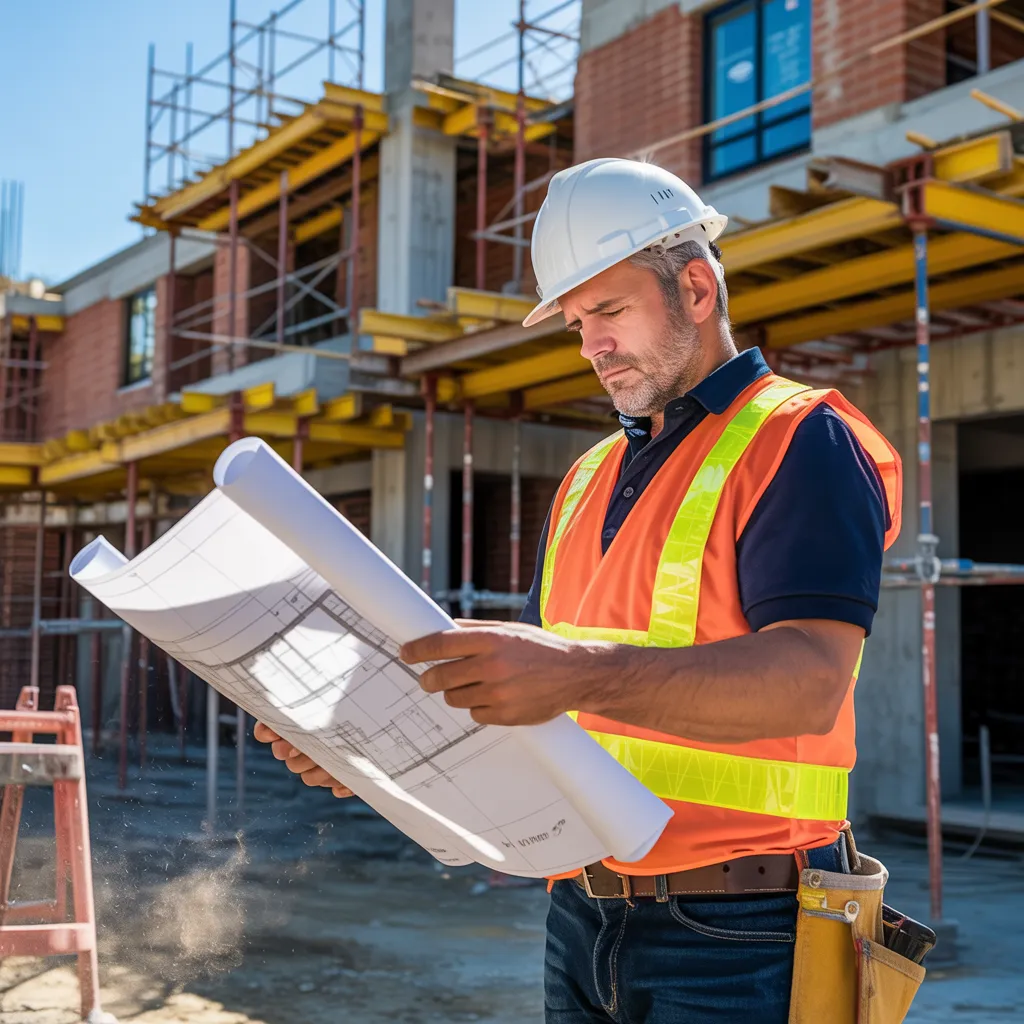
How to Find a Reliable General Contractor Worth Hiring
When launching a home improvement initiative, how can one assure they select a reliable general contractor? Initially, people should find advice from friends, family, or online reviews to identify suitable contractors. It is paramount to authenticate qualifications, including permits and protection, verifying the contractor meets local ordinances. Next, evaluating past work through portfolios or references offers insights into the contractor's craftsmanship and reliability.
In addition, sourcing varied assessments can help determine moderate fees and building timelines. Communicative skills are also essential; a tradesperson should be approachable and engaged to messages. Moreover, a well-constructed formal agreement laying out project scope, project duration, and payment structure secures both parties. In the end, go with your instincts; if a contractor seems unprofessional or vague, it may indicate downstream complications. By keeping to these recommendations, house owners can markedly boost their prospect of bringing on a dependable general contractor, culminating in triumphant home modernization endeavors.
Why a Local General Contractor Remains Your Optimal Pick
Opting for a local contractor can substantially boost the achievement of home improvement endeavors. Local professionals hold significant knowledge of the community, such as building codes, regulations, and zoning laws, maintaining adherence and productivity. Their strong relationships with suppliers and contractors can provide better pricing and timely access to materials and experienced professionals.
Additionally, local service providers often have a reputation to copyright within the locale, motivating them to execute quality results. This degree of responsibility fosters trust and confidence among occupants.
In addition, proximity allows for easier communication and more rapid response times, which can be necessary during a project. Homeowners can also seek referrals from friends or neighbors who have formerly worked with the contractor, giving peace of mind. Overall, picking a local general contractor not only supports the community but also strengthens the overall quality and experience of home improvement endeavors.
Step-by-Step Instructions for Your Property Betterment Adventure
Starting a home improvement project calls for deliberate preparation and precise implementation. Formulating a project timeline is indispensable to guarantee that activities are executed efficiently, while selecting premium supplies can substantially affect the final outcome. This guide will outline these important procedures to aid homeowners work through their renovation experience productively.
Arrange Your Assignment Timeline
A thoroughly prepared project schedule is indispensable for ensuring successful home improvements, making certain that every phase is executed efficiently. To begin, homeowners should identify the project's parameters, specifying specific goals and desired outcomes. Subsequently, they should liaise their general contractor to formulate a realistic timeframe based on the project's complexity and required tasks. Compartmentalizing the project into smaller phases enables better tracking and adjustments as circumstances require. It is also critical to account for potential delays, such as climatic impacts or supply chain issues, which could alter the timetable. Regular check-ins with the contractor can help on track. Ultimately, a clear timeline fosters mutual understanding and sets expectations, paving the way a more streamlined residential upgrade experience.
Examining Premium Supplies
choosing high-grade materials substantially determines the outcomes of home improvement tasks. Initially, residents must determine the specific demands of their task, taking into account components such durability, appearance, and budget. exploring different substance alternatives is essential; this comprises comprehending the strengths and cons of all alternative. consulting with experts can supply worthwhile insights into reputable manufacturers and vendors.
Next, homeowners should request material samples to evaluate the appearance and texture of materials firsthand. Shopping around for prices across various vendors can help ensure affordable rates without compromising quality. Finally, confirming that materials meet local construction regulations is crucial for protection and adherence to standards. By carefully choosing materials, property owners can improve both the lifespan and visual appeal of their upgrades, ultimately increasing the worth to their property.
Communicate Your Vision Like a Expert
Successful home improvements often copyright on the ability to express a clear vision. Homeowners should articulate their ideas, inclinations, and anticipations, ensuring that they convey their preferences effectively to their general contractor. A well-defined strategy not only helps in coordinating the contractor's plans with the homeowner's targets but also facilitates the deliberation process.
Visual aids, such as sketches or mood boards, can substantially boost communication. They deliver a concrete guide that demonstrates style, color schemes, and layout preferences. Additionally, maintaining transparent conversation fosters collaboration, allowing the contractor to ask clarifying questions and provide insights.
Setting achievable timelines and spending limits is equally vital. Homeowners should be ready to discuss restrictions in an candid manner to avoid confusion later. Ultimately, communicating helpful information a vision with clarity and confidence strengthens both parties, establishing the foundation for prosperous project execution and satisfying outcomes in home renovation undertakings.
The Significance of Quality Materials and Professional Craftsmanship
When it comes to residential renovations, the choice of durable materials greatly impacts the durability and functionality of a project. Equally important is the importance of expert workmanship, which ensures that these materials are employed effectively. Together, premium materials and expert workmanship produce outcomes that endure through the years.
Robust Material Process
A judiciously selected mixture of hardwearing materials can significantly affect the endurance and character of home improvements. Fine materials not only enhance the visual appeal of a space but also warrant that renovations hold up the test of time. Homeowners should give priority to materials with proven durability, such as hardwood, stone, and high-grade metals, which defend against wear and tear and environmental damage. Also, selecting materials suited for the local climate can circumvent issues like rot or corrosion. Investing in durable options may demand a higher upfront cost, but the long-term benefits—fewer repairs and replacements—make it a wise choice. In conclusion, the right materials boost a home's value and overall satisfaction for years to come.
The Significance of Expert Craftsmanship
Quality craftsmanship takes an indispensable place in the success of home enhancements, bolstering the selection of durable materials. Proficient artisans guarantee that each element of a project is carried out with accuracy, strengthening both functionality and appearance. Meticulous focus in construction, from framing to finishing touches, markedly advances the longevity and performance of home features. Quality execution not only reflects a pledge to excellence but also protects future complications, such as structural defects or aesthetic shortcomings. Additionally, accomplished professionals recognize the intricacies of various materials, assuring they are utilized effectively. Ultimately, directing funds toward skilled craftsmanship generates a more gratifying and enduring product, raising the overall value of the home and the homeowner's satisfaction.
Common Renovation Mistakes and How to Avoid Them
Many property owners face pitfalls during remodeling projects that can result in expensive setbacks and dissatisfaction. One frequent error is underestimating the budget. Without a comprehensive budget outline, unexpected expenses can quickly arise, compromising the project. Additionally, neglecting to obtain necessary permits can cause penalties and work stoppages, hindering the remodeling effort.
Making hasty decisions by hurrying the decision-making process is a common mistake. Quick choices concerning layout and design can lead to disappointment later on. Homeowners commonly neglect the significance of employing qualified professionals, which can compromise the workmanship and safety requirements.
In the end, not communicating adequately with building professionals can result in miscommunications and unsatisfied expectations. To sidestep these obstacles, homeowners should focus on careful planning, obtain the needed permits, hire experienced professionals, and maintain open dialogue throughout the construction project. By addressing these frequent mistakes, homeowners can ensure a easier and more gratifying renovation experience.
How to Choose the Suitable Materials for Your Upgrade?
What is the best way for property owners to guarantee they pick the appropriate products for their remodeling initiatives? First, they should examine the specific needs of the space, keeping in mind factors such as usefulness, aesthetics, and durability. Investigating various materials is essential; property owners should compare selections based on their suitability for the intended use and local climate conditions.
Consulting with a trusted general contractor can provide valuable insights into material choices, ensuring that selections align with both budget and design goals. Additionally, homeowners should prioritize sustainability by exploring eco-friendly materials that reduce ecological footprint.
Ultimately, reviewing samples can aid in making informed decisions, letting homeowners see how materials will look and feel in their room. By implementing these procedures, homeowners can confidently select materials that improve their renovation while ensuring quality and longevity.
Regularly Inquired Matters
How Can I Confirm a Contractor's Licenses and Coverage?
To confirm a contractor's licenses and insurance, one can review state regulatory agencies and insurance providers. Furthermore, obtaining documentation of licenses and insurance straight from the contractor guarantees legitimacy and adherence to legal requirements.
What Marks the Regular Schedule for Residential Renovation Undertakings?
The anticipated timeframe for home improvement work varies, often lasting from a few weeks to several months, influenced by how complex the project is, size, and required permits. Engaging in communication with the professional can help you establish a more reliable schedule.
Can I live in My Home During Remodeling?
Yes, one can live in a house during remodeling, though it often relies on the project's scope. Partial renovations may permit continued habitation, while substantial projects might require temporary displacement for comfort and safety.
What Forms of Payment Do Contractors Generally Accept?
Contractors regularly accept a collection of payment methods, including cash, checks, credit cards, and digital payment platforms. Some may also offer financing arrangements, granting clients flexibility in managing renovation costs and payment schedules.
How Do I Handle Disputes With My Contractor?
To handle conflicts with a contractor, one should communicate with clarity, document all interactions, and seek a resolution through negotiation. If not settled, mediation or legal action may be necessary to protect one's interests successfully.