Learn about the Key Offerings Provided by a Commercial General Contractor for Your Construction Job
In the domain of construction, a CG contractor is critically important in guaranteeing successful projects. Their offerings include full project control, cost management, and coordination of various stakeholders. This expertise does more than smooth execution but also ensures legal conformity and guaranteed quality - Hickory top rated Commercial General Contractor. Grasping these crucial offerings can notably impact the project's final result. What specific benefits can a general contractor provide for upcoming project?
Comprehensive Project Management
Detailed project administration is vital for the effective delivery of construction projects. It involves a structured approach that includes planning, coordination, and oversight of a job from start to finish. A GC is key linked resource in this process, ensuring that all aspects of the project meet the client's vision and regulatory requirements.
Successful project oversight includes defining project scopes, timelines, and results while keeping lines of communication open among stakeholders. The contractor manages sub-trades, handles supplies and equipment, and ensures high standards to make sure the build conforms to set standards. In addition, a comprehensive management plan utilizes risk management methods to identify potential challenges early and develop mitigation plans.
In the end, good project control encourages cooperation, makes execution smoother, and enhances the likelihood of finishing a job on time and within the specified guidelines, thus increasing client satisfaction and a good result.
Financial Planning and Cost Management
Successful project oversight naturally leads to the need for stringent budgeting and expenditure management. A commercial general contractor is essential in establishing a clear financial framework for a project. This includes detailed cost estimation based on project specifications, labor, materials, and tools. By recognizing budget threats in advance, the contractor can execute methods to reduce these risks, guaranteeing that the project remains within budget.
Furthermore, regular review of costs throughout the project lifecycle is vital. The general contractor uses established procedures to track costs against the budget, enabling proactive adjustments if required. This rigorous approach does more than just prevent budget excesses but also enhances financial accountability among all stakeholders. Crucially, good budgeting and expense control promote financial transparency, which permits educated choices and resource allocation, which is critical for the successful completion of any building endeavor.
Managing Subcontractors and Suppliers
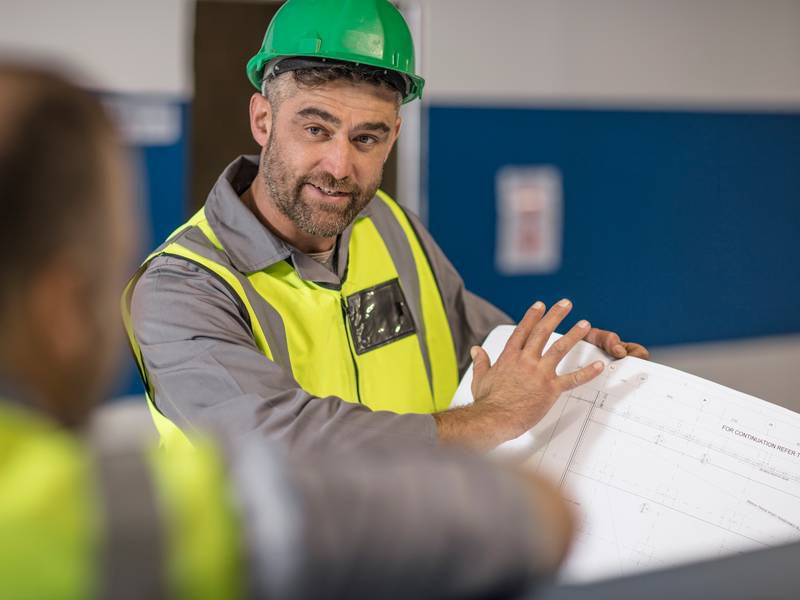
While managing a construction project, managing vendors and subcontractors is crucial for ensuring smooth operations and meeting deadlines. A commercial general contractor takes a central position in orchestrating these relationships, ensuring that all parties are aligned with the project's timeline and goals. Effective communication among subcontractors, suppliers, and the general contractor is vital to mitigate delays and avert costly errors.
The GC handles the sequencing of subcontractor work sequences, which helps to streamline operations and improve the distribution of resources. Moreover, they oversee material purchasing from suppliers, guaranteeing resources are supplied on time and within budget. By supervising these crucial exchanges, the contractor can rapidly handle any arising complications, resulting in a smoother building phase. Crucially, this management improves project efficiency but also ensures the ultimate success of the construction endeavor, ensuring that all components come together seamlessly.
Compliance With Building Codes and Regulations
Adhering to building codes and regulatory standards is a core duty of a commercial general contractor, since not following these rules often causes serious fiscal and legal consequences. A commercial general contractor needs to have comprehensive knowledge of all relevant governmental regulations that pertain to construction work. Their specialized skill permits them to navigate complex legal frameworks, guaranteeing that all elements of the job—from concept to build-out—satisfy all mandated criteria.
Additionally, contractors often work closely with architects, engineers, and regulatory agencies to confirm that specifications and plans meet code standards. By conducting regular inspections and assessments, the contractor can spot potential non-compliance quickly, mitigating risks and avoiding costly delays. In the end, a firm dedication to following regulations does more than just protect the GC's standing but also protects the interests of clients, guaranteeing successful project completion and without unnecessary complications.
Safety Oversight and Quality Control
Ensuring quality and managing safety form vital parts of a commercial general contractor's role, that fundamentally influence the integrity and outcome of construction projects. These measures ensure that all work meets established standards
A trusted contractor maintains comprehensive inspection processes to confirm that materials and workmanship match up with project specifications - Hickory top rated Commercial General Contractor. Frequent site inspections are performed to spot potential dangers and ensure safety compliance among workers. This proactive approach not only protects personnel but also stops costly interruptions and rework caused by safety incidents or quality issues
Furthermore, clear communication between the contractor, subcontractors, and suppliers is vital for upholding quality benchmarks throughout the project lifecycle. By making quality and safety a priority and safety oversight, a commercial general contractor promotes a sense of ownership, which helps ensure the successful completion of projects on time and under budget
Commonly Asked Questions
What Types of Projects Can a Commercial General Contractor Undertake?
A commercial general contractor can manage diverse projects, including corporate offices, retail spaces, warehouses, industrial facilities, renovations, and new constructions. They manage the entire process, ensuring quality, compliance, and punctual finishing of each project.
What's the Best Way to Pick the Right Commercial General Contractor?

To select the ideal commercial general contractor, one should evaluate their experience, ask for testimonials, gauge their financial health, look at their completed jobs, and guarantee clear communication. A thorough selection process can ensure successful completion.
What Can I Anticipate During the Initial Consultation?
During the initial consultation, clients can expect discussions about project objectives, timelines, cost projections, and contractor capabilities. This meeting serves as a foundation for building common ground and matching expectations between the client and contractor.
In What Way Do Contractors Control Project Timelines Effectively?
Contractors skillfully control project timelines by employing meticulous plans, establishing specific targets, coordinating schedules, and ensuring constant contact with all stakeholders. They also adjust resources as needed to ensure the project finishes on time and mitigate potential delays.
What Advantages Come From Employing a General Contractor Versus DIY?
Working with a general contractor delivers expertise, project management, and a connection with a network of experienced tradespeople. This secures high-quality results, finishing on schedule, and compliance with regulations, which significantly lowers the burden and expensive errors when measured against self-managed projects.